
 Fast Delivery
  Global Compliance
  Long Term Support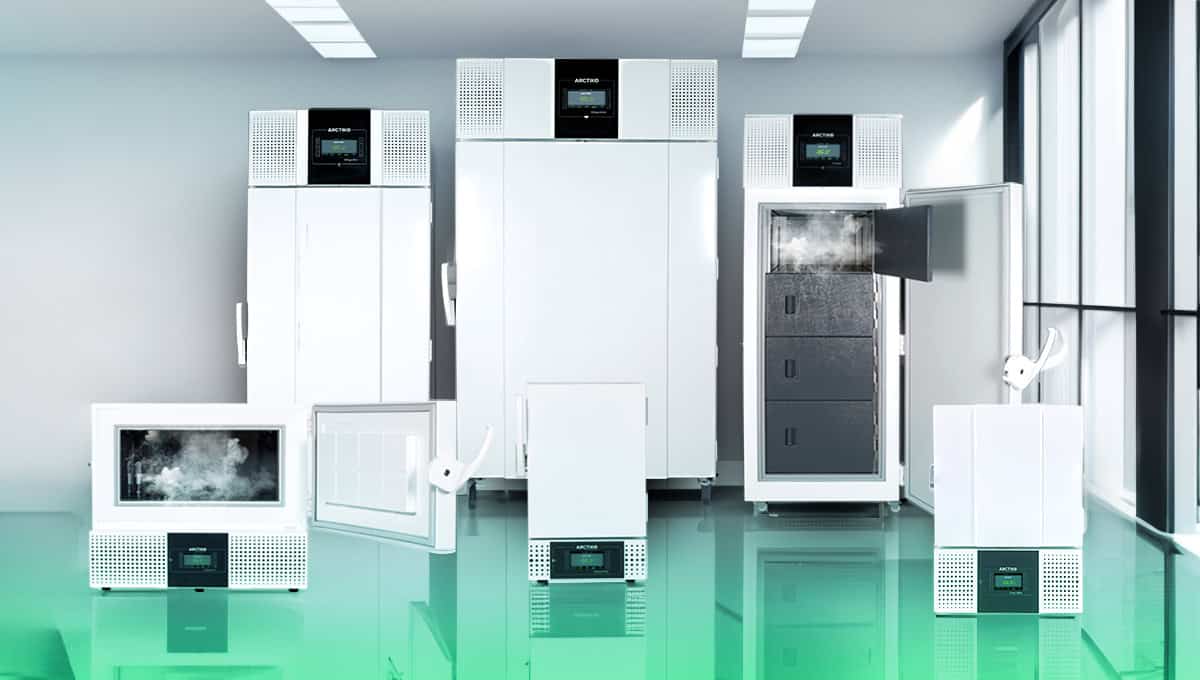
Ultra-low temperature freezers are essential across scientific, medical and industrial sectors, providing ultra cold storage for highly sensitive materials. Designed to operate at ultra low temperature ranges, these systems help protect sample integrity, ensure stability and reduce long-term risk.
This guide explores the cost, energy efficiency, lifespan, temperature requirements and applications of an ULT freezer, helping laboratories and facilities make informed decisions when investing in an extreme low temperature freezer.
What is Ultra-Low Temperature?
Ultra low temperature storage typically refers to conditions between -80°C and -86°C. These temperatures are essential for preserving biological samples that would otherwise degrade at higher temperatures.
An ultra low freezer is used when standard laboratory or medical freezers cannot provide sufficient stability. Without reliable ultra cold storage, samples such as DNA, RNA, vaccines and viruses can lose viability, leading to irreversible scientific and financial loss.
What Temperature Should an Ultra-Low Temperature Freezer Be?
The standard set point for an ULT freezer is -80°C, which remains the global benchmark for long-term biological storage.
Recent research suggests that operating an ultra-low temperature freezer at -70°C can reduce energy consumption by approximately 25 to 30% without compromising sample integrity for many applications. This approach can also reduce mechanical strain and extend the lifespan of ULT freezers.
Always follow manufacturer recommendations and institutional guidelines, as storage requirements may vary depending on the material being preserved.
How Often Should Ultra-Low Freezers Be Defrosted?
Most ULT freezers should be defrosted once or twice per year, depending on usage and frost accumulation.
Frost buildup inside an extreme low temperature freezer can restrict airflow, reduce cooling efficiency and increase energy consumption. Regular defrosting supports stable ultra low temperature performance and helps maintain long-term reliability.
Cost & Energy Consumption
ULT Freezer Cost
The cost of an ultra low freezer typically ranges from several thousand to tens of thousands of pounds, depending on storage capacity, system design and energy efficiency features.
Energy Consumption
An ULT freezer generally consumes between 9 and 20 kWh per day, which is comparable to the daily electricity usage of a household.
UK Running Costs
At an average electricity cost of 11 pence per kWh, an ultra low temperature freezer using 13 kWh per day can add approximately £520 per year to energy bills.
Lifespan
With correct maintenance, most ULT freezers have a lifespan of 12 to 15 years, making efficiency and build quality key considerations.

What are Ultra-Low Temperature Freezers Used for?
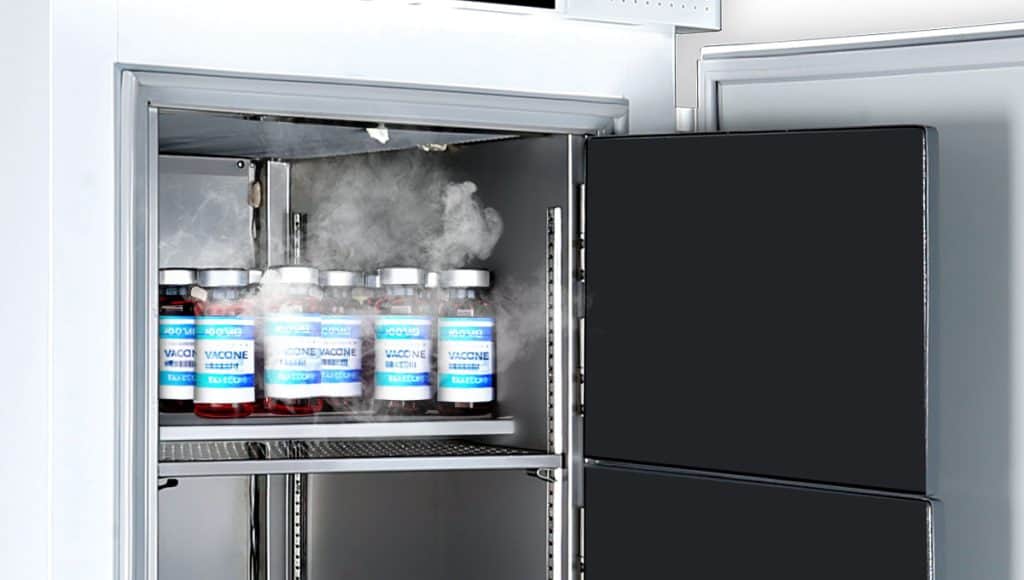
One of the most critical uses of ULT freezers is in the storage of vaccines, where temperature control is crucial for maintaining their effectiveness. For a more detailed understanding of the role ULT freezers play in vaccine storage, the World Health Organization (WHO) has published an extensive guide on ULT Vaccine Storage.
However, ULT freezers are also widely used across various fields to store critical biological materials such as DNA, RNA, antigens, bacteria, viruses, and cell lines. They are commonly found in life sciences, biochemistry, and biology laboratories, where they play a key role in preserving valuable research samples and maintaining their integrity for long-term storage. These include:
Pharmaceutical Storage
Some vaccines, medications and biological drugs require ultra low temperature conditions to remain stable. ULT freezers help preserve product efficacy throughout storage and handling.
Biomedical Research
In research laboratories, ULT freezers are used to store DNA, RNA, proteins, antigens and cell cultures. Maintaining a consistent ultra low temperature supports reproducibility and data integrity.
Clinical Laboratories
Clinical laboratories rely on ultra low freezers for storing blood, plasma and serum samples used in diagnostics and research. Temperature deviations can compromise results and patient safety.
Cryopreservation
Cryopreservation relies on extreme low temperature freezer systems to preserve cells, tissues and organs with cryoprotectants for long-term storage.
Assisted Reproductive Technology
In IVF and fertility clinics, embryos and oocytes are preserved in ultra low temperature freezers until required.
Food Industry
In specialist food applications, ultra low freezers are used to rapidly freeze products such as fish, helping preserve texture, taste and quality while supporting efficient long-term storage.
Ultra-Low Temperature Freezer Systems
ARCTIKO offers a range of ULT freezer systems designed for reliability, efficiency and sample protection.
Single Compressor System
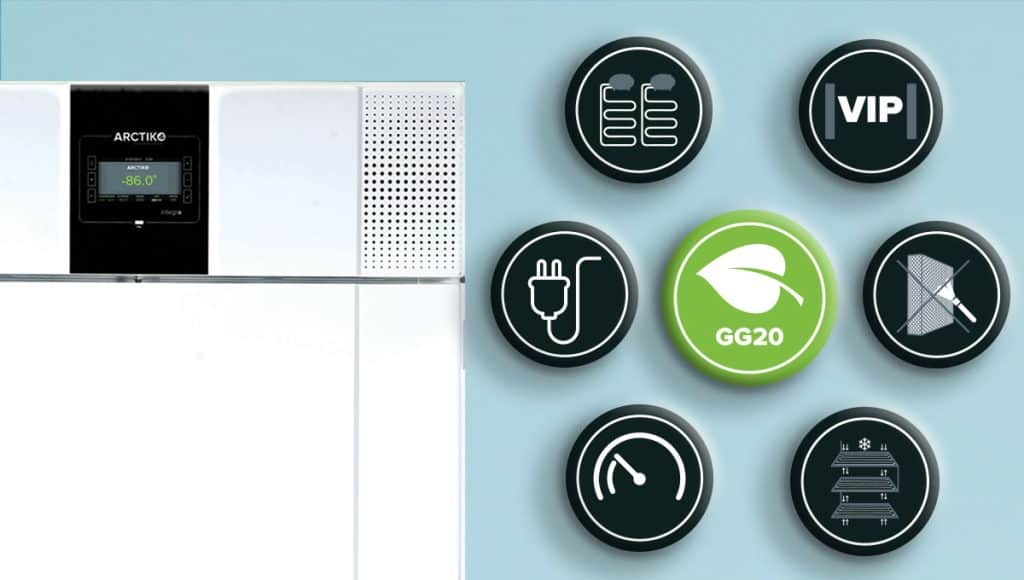
ARCTIKO’s single compressor ultra low freezer system delivers stable temperature control with reduced maintenance requirements, lower energy consumption and quiet operation. The top-mounted compressor allows easier servicing, while the filterless design supports long-term reliability.
ARCTIKO TRUE DUAL™ Technology
TRUE DUAL™ technology uses two independent cooling systems to ensure continuous ultra cold storage. If one system is compromised, the second maintains temperatures of -70°C or lower. This approach improves temperature uniformity, speeds up recovery after door openings and extends the lifespan of ULT freezers, while removing the need for a separate backup freezer.
How To Monitor Temperature in Ultra-Low Freezers
Reliable monitoring is essential for any ultra low temperature freezer.
Many ULT freezers include built-in controllers for local monitoring. For additional protection, external temperature data loggers with alarm functionality can provide alerts via email or text message when temperatures move outside the desired range.
Cloud-based platforms also enable remote monitoring, giving full visibility of ultra cold storage conditions and supporting fast response when action is required.
Ultra-low temperature freezers are essential in scientific, medical, and industrial environments, allowing for the safe storage of samples and products at extremely low temperatures. By providing a stable and controlled setting, these freezers help preserve valuable biological materials, pharmaceuticals, and other critical substances over extended periods.
Ongoing advancements in technology have significantly improved the performance, reliability, and functionality of ultra-low temperature freezers, enhancing their effectiveness across a wide range of applications. As research and medical fields continue to evolve, the importance of these freezers in preserving vital materials will remain key to scientific and healthcare progress.