
 Fast Delivery
  Global Compliance
  Long Term Support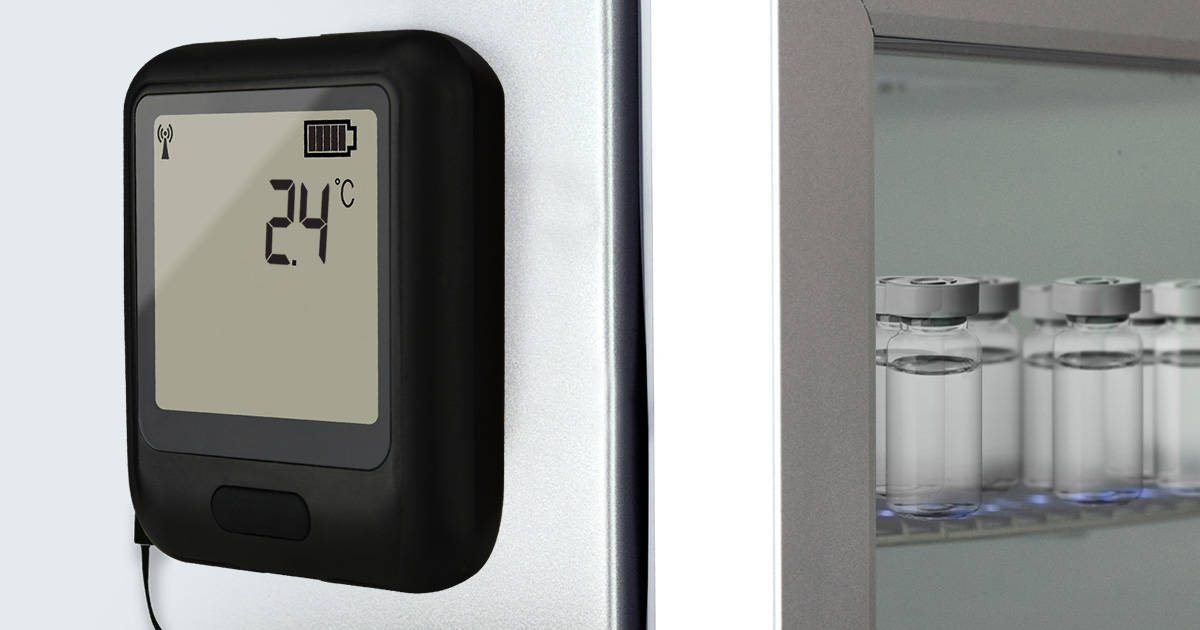
Medical refrigeration is essential for storing potentially life-saving medications, vaccinations and blood products. Medical refrigerator temperature monitoring plays a critical role in maintaining safe fridge temperature conditions and supporting modern healthcare operations.
Temperature variation is a major concern in medical refrigeration. Even small deviations can compromise product integrity, which is why continuous temperature monitoring is essential to ensure safety and compliance.
This article explores the importance of medical refrigerator temperature monitoring, along with commonly used methods for achieving accurate, reliable results.
The importance of temperature control monitoring in medical refrigeration
Due to the critical nature of cold-chain products, temperature control monitoring in medical refrigerators is essential. Vaccines, blood products and pharmaceuticals must be stored within specific temperature ranges to maintain efficacy and patient safety.
Failure to maintain correct fridge temperature or blood bank fridge temperature can lead to product degradation, making items ineffective or unsafe. Proper staff training is necessary to ensure approved storage practices are followed.
Continuous temperature and other environmental monitoring within medical refrigeration systems may notify employees of any difficulties and allow for a prompt intervention to prevent product loss.
The use of dependable and precise temperature monitoring technology such as data loggers, wireless sensors and automated monitoring systems can help to maintain these conditions while also assuring the safety and efficacy of the items housed in medical refrigeration systems.
Recommended Temperature Monitoring Solutions
Data loggers, integrated digital controllers, and 30-day temperature recorders are widely used solutions for refrigerator temperature monitoring.
Used individually or together, these tools provide comprehensive visibility across medical refrigeration systems, helping staff maintain safe fridge temperature conditions and protect stored products.
Integrated Digital Controllers
Integrated digital controllers are a highly effective solution for monitoring temperature and environmental conditions in medical refrigerators and hospital freezer units.
These built-in systems support continuous temperature monitoring by automatically adjusting conditions in real time. Modern digital temperature controllers monitor temperature, humidity, and alarms while maintaining precise control.
Audio and visual alerts notify staff immediately if temperature excursions occur, reducing the risk of medication or vaccine loss.
ARCTIKO Digital Controllers
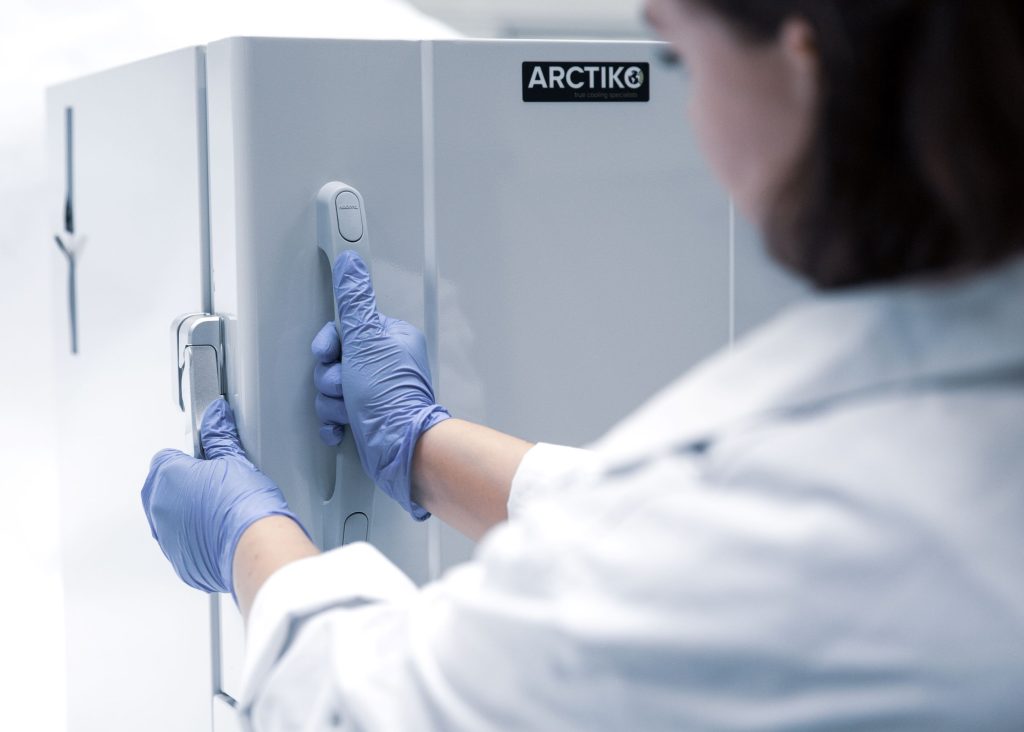
For dependable medical refrigerator temperature monitoring and automated control, ARCTIKO’s integrated digital controllers provide precise, real-time oversight.
Temperature Data Loggers in Vaccine Fridges
Data loggers offer a cost-effective and reliable method for monitoring fridge temperature in medical refrigeration systems.
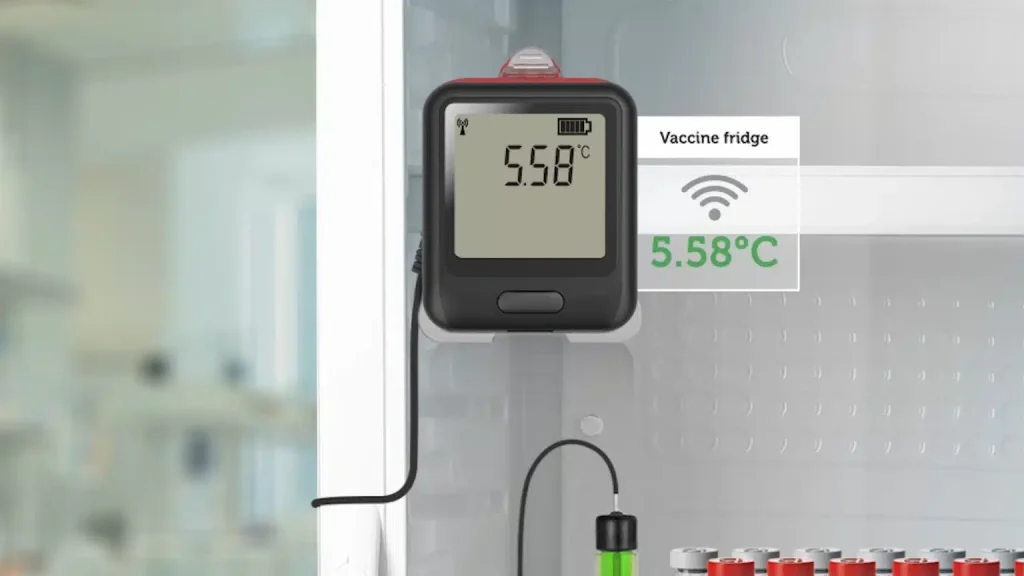
These standalone devices record temperature data over time, allowing staff to review trends and identify early warning signs before issues escalate. Data loggers are frequently used alongside other monitoring systems for full medical refrigerator temperature monitoring coverage.
30-day Temperature Recorders
30-day temperature recorders are an important component of medical refrigerator temperature monitoring systems.
By storing temperature data over extended periods, these devices provide clear documentation of fridge temperature trends and hospital freezer temperature stability. They are often used alongside data loggers and digital controllers for layered monitoring.
Recommended Storage Temperatures
Maintaining correct temperature ranges is essential for the safety and efficacy of stored pharmaceuticals, vaccines and blood products.
The recommended temperature range for medical refrigerators is 36°F to 46°F (2°C to 8°C). Blood bank fridge temperature and hospital freezer temperature requirements may be more specific depending on product type.
Temperature fluctuations can result from power outages, equipment faults, or frequent door openings. Staff should regularly check fridge temperature and respond immediately to any deviation.
Using validated medical refrigerator temperature monitoring technologies helps maintain compliance and minimise waste.
Medical Refrigerator Essentials
Medical refrigerators and freezers are vital in healthcare facilities. Power-loss protection measures, such as generators or UPS systems, are critical for maintaining safe temperatures during outages.
Routine manual checks, paired with automated continuous temperature monitoring, ensure early detection of temperature drift. Staff training remains a key factor in protecting stored products.
Alarms for Temperature Monitoring
Alarm systems are a core part of medical refrigerator temperature monitoring. They alert staff to temperature excursions caused by power loss, door openings, or equipment failure.
Audible, visual, and remote alerts (email or SMS) enable rapid response and reduce the risk of product loss in medical refrigerators and hospital freezer units.
Common Causes of Temperature Fluctuations
Temperature fluctuations may occur due to:
- Power outages or voltage instability
- Equipment malfunctions (fans, thermostats, etc.)
- Door openings or damaged seals
Understanding these causes allows healthcare facilities to respond effectively and protect blood bank fridge temperature stability and overall cold-chain integrity.
Why Temperature Control Monitoring is a Must
Medical refrigerator temperature monitoring is essential for patient safety, cost control and regulatory compliance.
Accurate, reliable temperature monitoring reduces spoilage, supports audit readiness and helps healthcare organisations avoid unnecessary replacement costs.
Accurate Results
Accurate temperature data ensures stored vaccines, medications and blood products remain safe and effective.
Tools such as digital controllers and data loggers provide real-time measurements, allowing staff to respond quickly to temperature changes and prevent losses.
Cost Saving
Effective medical refrigerator temperature monitoring reduces waste, limits emergency replacements and improves resource management.
Early detection of temperature deviations lowers long-term operational costs while safeguarding patient care.
Approved Procedures and Compliance
CDC guidelines require strict temperature monitoring for medical refrigeration.
Advanced monitoring solutions, such as data loggers and digital temperature controllers, support compliance by providing accurate records, alarms, and real-time oversight.
Importance of Regular Maintenance and Calibration
Routine maintenance and calibration ensure reliable readings and prevent false alarms or missed alerts.
Regular inspection of refrigeration systems, combined with calibrated monitoring equipment, supports long-term safety, compliance and cost control.

Conclusion
Medical refrigerator temperature monitoring is fundamental to safe healthcare operations.
By investing in modern monitoring technologies, performing regular maintenance, and following CDC and FDA guidelines, healthcare facilities can protect patients, reduce waste, and maintain regulatory compliance.