
 Fast Delivery
  Global Compliance
  Long Term Support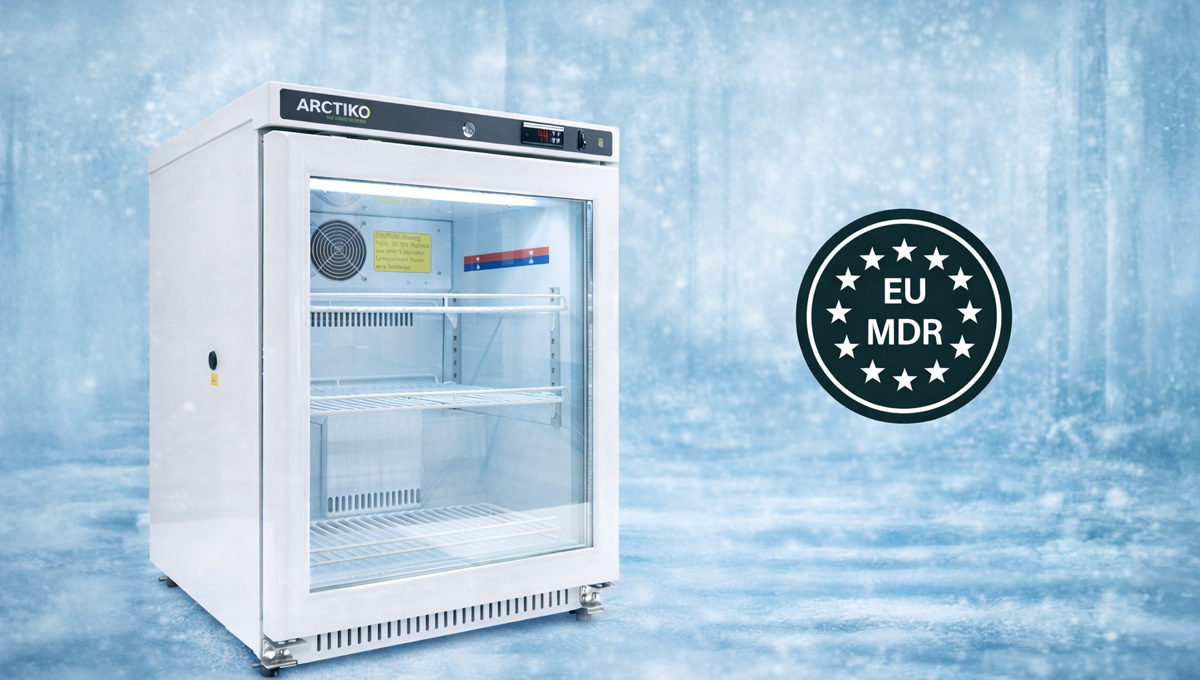
What is the MDD to MDR transition?
The MDD to MDR transition is one of the most important regulatory changes currently affecting medical device manufacturers in Europe. Although the Medical Device Directive (MDD) has been replaced by the Medical Device Regulation (MDR), many companies are still moving legacy products through the transition under extended EU deadlines.
MDR, which stands for Medical Device Regulation (EU) 2017/745, became fully applicable on 26 May 2021 and replaced MDD with a stricter regulatory framework. Its purpose is to improve patient safety by increasing requirements around clinical evidence, technical documentation, traceability and post-market surveillance (European Commission, 2023). In simple terms, MDR places greater responsibility on manufacturers and requires more robust proof that devices remain safe and effective throughout their lifecycle.


Key differences between MDD and MDR
One of the biggest questions for manufacturers is how MDR differs from MDD. The key change is the level of scrutiny. Under MDR, manufacturers must provide more detailed product data, stronger risk assessments and clearer long-term monitoring processes. This means compliance is no longer simply about obtaining certification, but about maintaining continuous oversight of products already on the market.
Transition deadlines
The EU MDR transition period has been extended under Regulation (EU) 2023/607, giving manufacturers additional time to certify legacy devices. Higher-risk Class III and implantable Class IIb devices must comply by 31 December 2027, while Class IIa, Class IIb non-implantable and Class I legacy devices have until 31 December 2028, provided specific conditions are met (European Parliament and Council of the European Union, 2023). These conditions include maintaining valid MDD certification, avoiding significant design changes and having an MDR application underway with a notified body.
Challenges in the MDD to MDR transition
For manufacturers, this extension should not be seen as extra spare time. Transitioning from MDD to MDR requires updated technical files, stronger clinical evidence and early engagement with notified bodies, many of which are already operating at limited capacity. Delays in preparation could create certification bottlenecks as deadlines approach.

Why the MDD to MDR transition matters for buyers
The transition also matters for buyers of medical equipment. Hospitals, laboratories and distributors should ensure that suppliers have clear MDR transition plans in place and can confirm the ongoing validity of their products under current regulations. Choosing manufacturers already progressing toward MDR compliance reduces procurement risk and helps protect long-term supply continuity.
How Arctiko supports MDR compliance
For Arctiko, MDR compliance is part of a wider commitment to delivering reliable, future-ready medical cold storage solutions. As regulatory standards continue to evolve, Arctiko remains focused on ensuring its medical refrigeration products meet current EU requirements while supporting customers with dependable, compliant equipment for critical healthcare and life science environments.
The move from MDD to MDR is more than a regulatory update. It represents a fundamental shift in how medical devices are approved, monitored and maintained across Europe. With final deadlines approaching, early action is essential for manufacturers wanting to protect compliance, maintain market access and remain competitive in an increasingly regulated environment.
References
European Commission (2023) Medical Devices: Regulation (EU) 2017/745. Available at: https://health.ec.europa.eu/medical-devices-sector/new-regulations_en (Accessed: 10 April 2026).
European Parliament and Council of the European Union (2023) Regulation (EU) 2023/607 amending Regulations (EU) 2017/745 and (EU) 2017/746 as regards transitional provisions for certain medical devices and in vitro diagnostic medical devices. Available at: https://eur-lex.europa.eu/eli/reg/2023/607/oj (Accessed: 10 April 2026).